
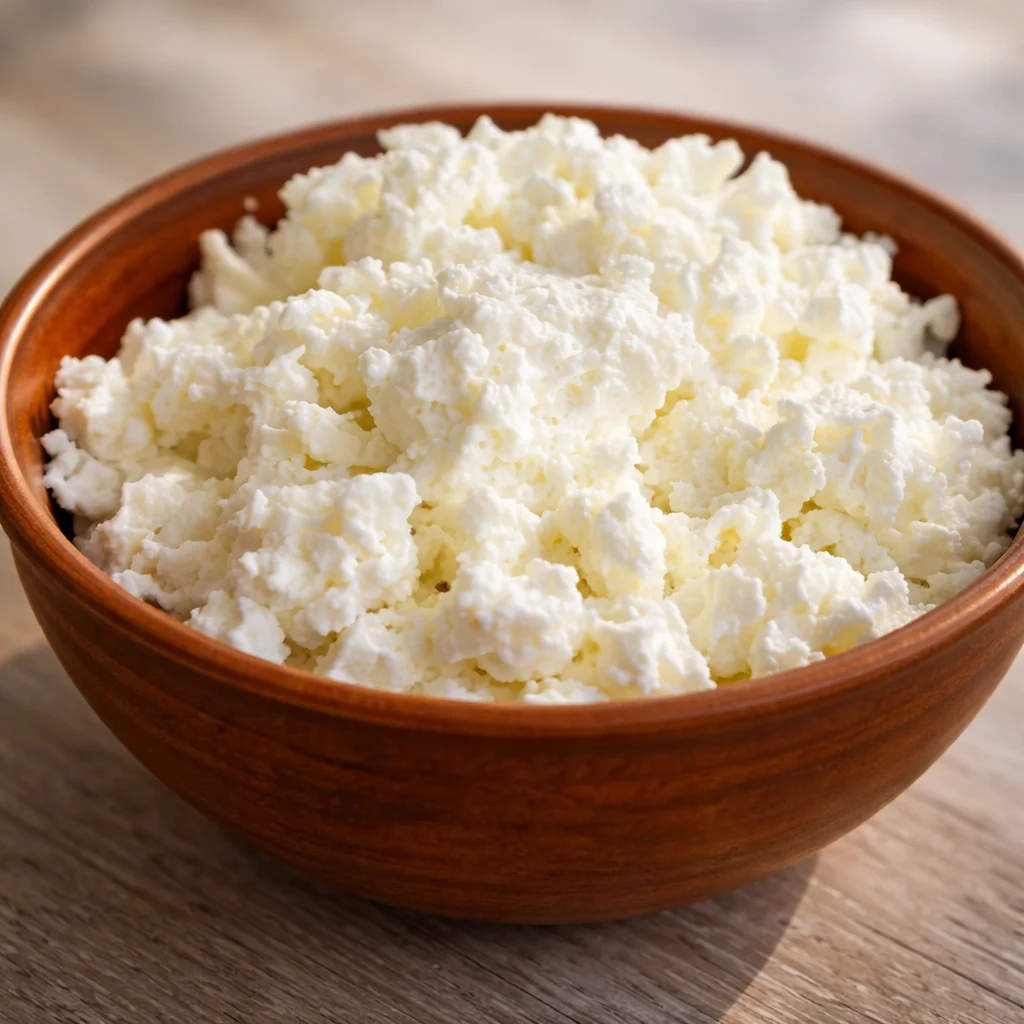
cottage cheese recipe cravings usually strike me at the weirdest times. Maybe it is a busy weekday morning, or I am back from a walk and want something quick that still feels a little special. If you are nodding along, you are in the right place. In this post, I am sharing how I make cottage cheese work for breakfast, lunch, dinner, and dessert without stress. I am talking real life strategies you can grab today, plus how to make it from scratch if you are feeling curious. I will also share my favorite tricks for storage so you waste less and enjoy more.

The Benefits of Adding Cottage Cheese to Recipes
There is a reason I always have a tub of cottage cheese in the fridge. It is affordable, packed with protein, and super versatile. When I need wholesome fuel, cottage cheese slides into sweet and savory dishes with zero fuss. That is a big win on hectic days when energy dips and takeout starts calling.
Here is the simple truth I see in my own kitchen. Cottage cheese helps meals feel more balanced, more satisfying, and still light. It brings creaminess without a heavy taste, and it blends well with fruit, herbs, eggs, and even chocolate chips. That is why I keep building Delicious Cottage Cheese Recipe Ideas for Every Meal to rotate through the week.
Why I lean on it during busy weeks
When I am rushing, I do not want fancy techniques. I want wholesome shortcuts. Cottage cheese mixes into pancake batter for a protein boost, melts into sauces to add body, and stands in for mayo in lunch salads. It is one of those ingredients that quietly makes everything else better.
“I was skeptical, then I tried swapping half the mayo for cottage cheese in my lunch salad. Creamy, bright, and I stayed full through the afternoon. Total game changer.”
Pro tip: Keep an eye on sodium. Different brands vary a lot. If your dish tastes saltier than expected, it may be the curds. Stir in a squeeze of lemon or some fresh herbs to balance the flavor. 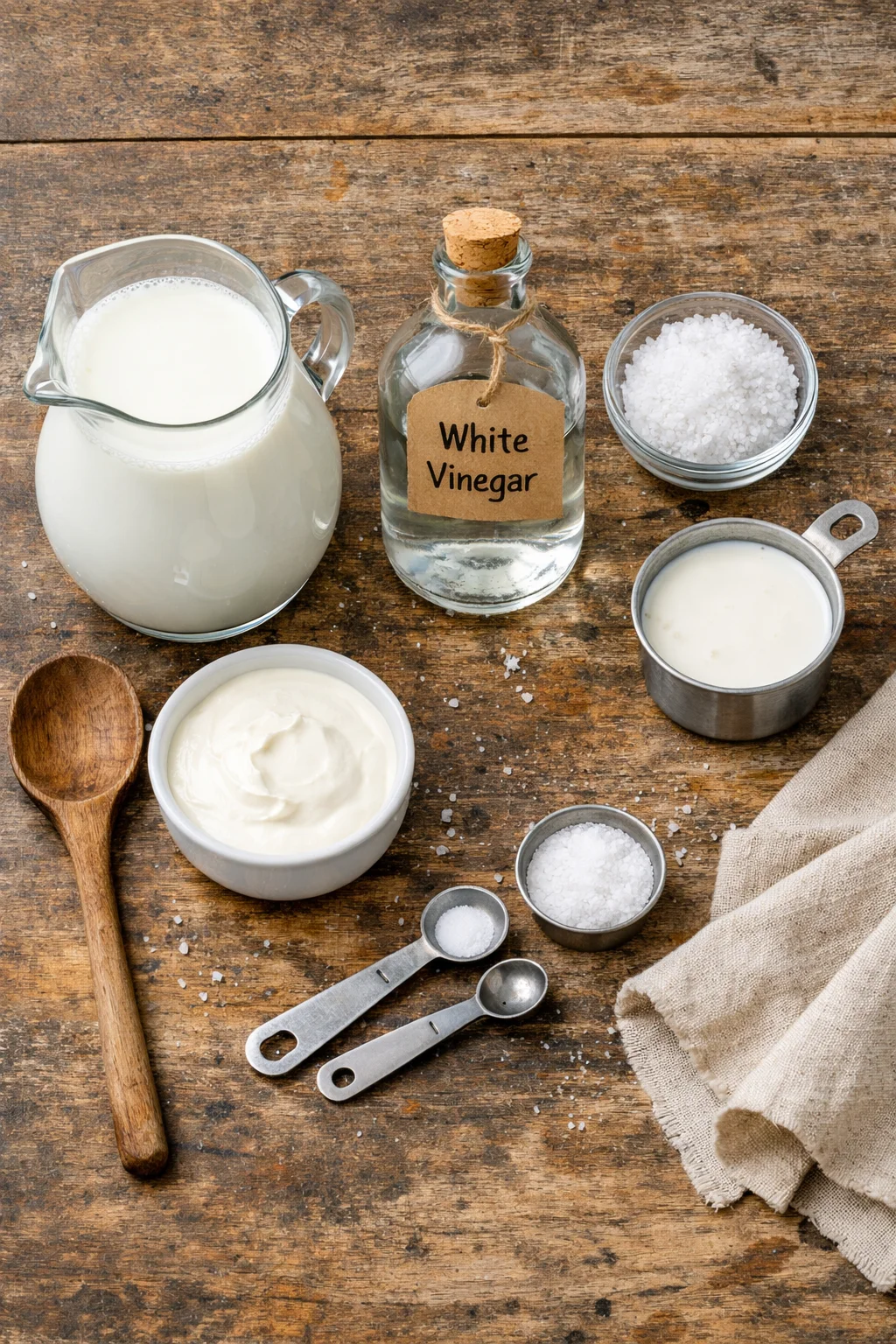
What to Make with Cottage Cheese
I love brainstorming speedy meals that need minimal dishes and still taste like a treat. Below are a few of my favorite directions to take, whether you want comfort food or something bright and fresh. Think of this section like a mix-and-match board for your weeknight cooking.
Sweet cravings that do not feel heavy
Stir cottage cheese with a spoonful of honey, a pinch of cinnamon, and sliced peaches. Or blend it smooth with a frozen banana, then top with granola for a creamy bowl that kicks yogurt boredom to the curb. When I want dessert that will not knock me out, I make cottage cheese ice cream. It is cold, creamy, and wildly simple.
Another sweet favorite is a toast upgrade. Spread cottage cheese on warm sourdough, add berries and a light drizzle of maple syrup, and finish with lemon zest. It is dessert-for-breakfast energy, just a little smarter.
Savory bites that satisfy
For lunch, I grab cherry tomatoes, cucumber, and a spoonful of cottage cheese, then add olive oil and black pepper. If I am craving pizza flavors without turning on the oven, I make this speedy pizza bowl. It hits all those nostalgic notes with a light, saucy twist. And when I want that diner-style classic, I mix it with herbs and hard-boiled eggs for a protein-packed egg salad.
Here is the big picture. These are Delicious Cottage Cheese Recipe Ideas for Every Meal that you can adapt based on what is in your fridge. Use fresh herbs if you have them, swap in frozen fruit if that is better for your budget, and keep it loose. No perfection required.
Ingredients You Need to Make the Perfect Homemade Cottage Cheese Recipe
If you are curious about making cottage cheese at home, you only need a few pantry staples. The method is friendlier than you might think, and the result tastes bright and fresh. I usually make a small batch on a slow afternoon, then use it all week. Here is what you will need.
- Milk: Whole milk gives the creamiest curds. You can use 2% if you prefer a lighter texture.
- Acid: White vinegar or lemon juice helps the curds separate. Vinegar is consistent, lemon adds a hint of brightness.
- Salt: Start small, then adjust at the end.
- Cream or milk for finishing: Optional, but it adds that classic creamy finish to the curds.
- Cold water and ice: For rinsing curds so they stop cooking and stay bouncy.
Gear check: You will want a heavy pot, a thermometer if you have one, a fine mesh strainer or cheesecloth, and a big bowl. If any of that sounds fussy, do not worry. You can still make it work with what you have.
Once you start making your own batch, you will see how it can slot into all your favorites. It is great in lunches, including this simple make-ahead egg salad. And of course, feel free to flavor your homemade curds with chives, cracked pepper, or a dash of smoked paprika.
How to Make Cottage Cheese From Scratch: Step-by-Step
This is my go-to method. Keep it simple and do not stress about tiny temperature swings. The curds are forgiving.
Key steps and friendly tips
- Warm the milk: Pour milk into a heavy pot. Heat gently over medium, stirring now and then, until it reaches about 185°F. If you do not have a thermometer, watch for steam and tiny bubbles at the edges, not a rolling boil.
- Add acid and rest: Take the pot off the heat. Stir in 3 tablespoons of vinegar or lemon juice per quart of milk. Stir gently for 30 seconds, then let it sit undisturbed for 10 minutes. You should see curds separating from the whey.
- Check for separation: If the liquid still looks milky, add 1 extra tablespoon of acid, stir once, and rest 5 more minutes.
- Strain: Line a colander with cheesecloth or use a fine mesh strainer. Ladle the curds in carefully. Let them drain for 5 to 10 minutes.
- Rinse: Rinse the curds in cold water. I swirl them gently until they cool. This step keeps the curds tender and removes any extra tang.
- Season: Transfer curds to a bowl. Sprinkle with salt to taste. For classic cottage cheese, stir in a splash of milk or cream until you reach your favorite consistency.
- Taste and tweak: Add a squeeze of lemon if you want brightness, or cracked pepper if you are going savory. Fresh herbs are always welcome.
Good to know: Use pasteurized milk for food safety. If you are using raw milk, heat it thoroughly. And do not toss the whey. It is great in smoothies, soups, or for cooking grains. I also pour some into bread dough for extra tenderness.
If the first batch is a little dry, add more cream at the end. If it is too loose, drain a couple more minutes. You will find your sweet spot quickly, and then you can repeat it without thinking.
How to Store Cottage Cheese
Whether you buy it or make it from scratch, proper storage keeps the texture fresh. I always move homemade cottage cheese into a clean, airtight container. If I buy it, I press a piece of parchment on the surface after opening to reduce air contact. It helps the curds stay creamy.
Keep it in the coldest part of your fridge, not the door. Homemade batches are best within 3 to 4 days. Store-bought usually lasts 5 to 7 days after opening, but always check the smell and appearance. If it turns watery or sour, or if you see any mold, toss it. Food safety first, always.
Meal prep tip: portion cottage cheese into small jars for grab-and-go breakfasts. Top with fruit or savory mix-ins right before eating. It is also smart for lunches like a light herby mix or a simple salad. If you need an easy lunch idea for a busy day, this protein-packed egg salad holds well in the fridge for a couple of days and makes sandwiches feel special.
One more trick I love. If your cottage cheese is a bit watery after a few days, strain it briefly in a fine mesh sieve, then stir in a spoonful of yogurt or cream to bring back that lush texture. It does not have to be fancy to be good.
Common Questions
Q: Can I use 2% milk to make cottage cheese?
A: Yes. It will be a little lighter and less creamy than whole milk, but still tasty. Add a splash of cream at the end if you want richer curds.
Q: My curds are tiny. Did I mess up?
A: Not at all. Stirring too much or using extra acid can create smaller curds. Next time, stir gently and stop as soon as you see separation. Tiny curds still work great in bowls and spreads.
Q: How do I make it taste less tangy?
A: Rinse the curds well in cold water and finish with milk or cream. A pinch of salt and a drizzle of honey soften the tang in sweet versions.
Q: What are quick flavor ideas?
A: For savory, try chives, dill, lemon zest, and black pepper. For sweet, cinnamon, maple syrup, and berries. Keep it simple and adjust to taste.
Q: Any kid-friendly ideas?
A: Blend cottage cheese smooth and stir it into pancake batter or pasta sauce. Kids notice the creamy texture more than the flavor, which makes it an easy upgrade.
A cozy send off from my kitchen to yours
You do not need fancy moves to make cottage cheese shine. Keep a tub around, lean on mix-ins you already love, and build a little routine from these Delicious Cottage Cheese Recipe Ideas for Every Meal. If you want more inspiration, check out the friendly roundup at 35+ Cottage Cheese Recipes – Jar Of Lemons. And if you are curious about another take on the homemade method, this guide from How to Make Homemade Cottage Cheese – Seven Sons Farms is simple and helpful. I hope you try one of these Delicious Cottage Cheese Recipe Ideas for Every Meal this week and make it your own. When a meal feels good and fits your life, that is a recipe worth repeating. 
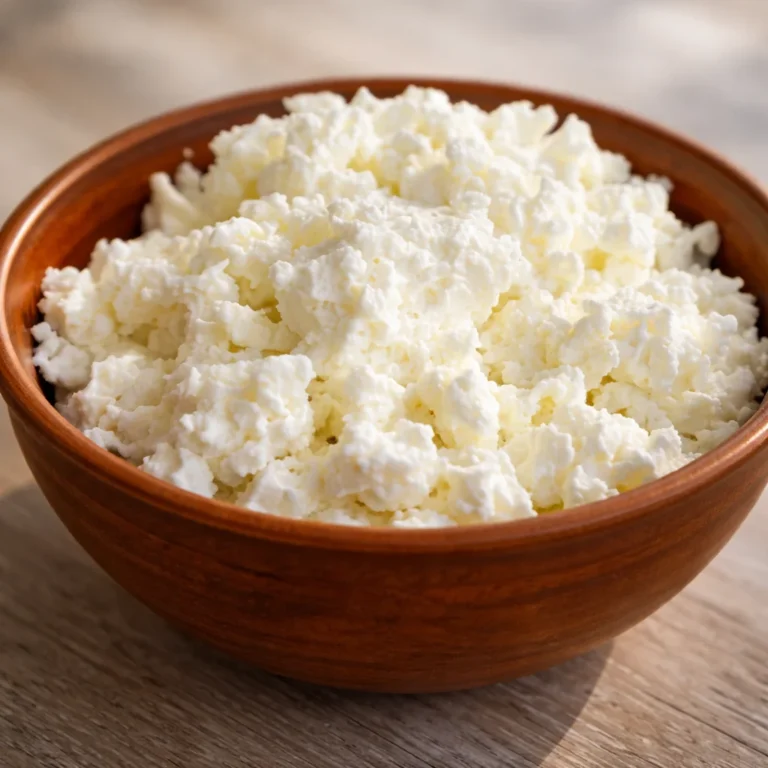
Homemade Cottage Cheese
Learn how to make creamy and versatile cottage cheese at home with simple ingredients and steps.
- Total Time: 30 minutes
- Yield: 4 servings 1x
Ingredients
- 1 quart whole milk (or 2% milk)
- 3 tablespoons white vinegar or lemon juice
- Salt (to taste)
- Cream or milk (for finishing, optional)
- Cold water and ice (for rinsing curds)
Instructions
- Warm the milk in a heavy pot over medium heat until it reaches about 185°F.
- Add acid (vinegar or lemon juice) and stir gently, then let sit undisturbed for 10 minutes.
- Check for curd separation; if needed, add more acid and let it rest.
- Strain curds using cheesecloth or fine mesh strainer and let drain for 5 to 10 minutes.
- Rinse the curds in cold water and drain.
- Transfer to a bowl, season with salt, and add cream or milk for desired consistency.
Notes
Store homemade cottage cheese in an airtight container in the coldest part of the fridge. Use within 3 to 4 days.
- Prep Time: 10 minutes
- Cook Time: 20 minutes
- Category: Dairy
- Method: Making
- Cuisine: American
- Diet: Vegetarian
Nutrition
- Serving Size: 1 serving
- Calories: 210
- Sugar: 6g
- Sodium: 150mg
- Fat: 10g
- Saturated Fat: 6g
- Unsaturated Fat: 4g
- Trans Fat: 0g
- Carbohydrates: 8g
- Fiber: 0g
- Protein: 24g
- Cholesterol: 40mg
Keywords: cottage cheese, homemade cheese, protein-rich recipes, dairy recipes